
Retrofit Windows: The Smart Alternative to Full Replacement
Upgrading the windows in your home or commercial property is often a significant investment, and homeowners frequently face a crucial decision: should they opt for a full window replacement or explore alternative solutions? While full replacement involves removing the entire existing window and frame, retrofit windows provide a smart, cost-effective alternative that maintains the structure of your current installation. This approach is gaining traction in the construction and renovation industry, offering property owners a way to improve energy efficiency, enhance aesthetics, and reduce maintenance without the disruption and higher costs associated with complete replacement. Additionally, retrofit windows allow for quicker project timelines and less labor, making them particularly appealing for busy homeowners and commercial property managers seeking high-quality results with minimal inconvenience.
Retrofit windows, also known as replacement windows, are designed to fit within the existing window frame, eliminating the need for structural modifications. This method is particularly advantageous for homes with historic or custom architecture, where maintaining the original frame is essential. Beyond cost savings, retrofit windows provide benefits such as improved insulation, noise reduction, and modern design features. They also allow property owners to incorporate advanced glazing technologies and energy-efficient materials without altering the building’s exterior. For property owners, contractors, and building managers, understanding the practical applications, advantages, and considerations of retrofit windows is essential. This guide explores why retrofit windows are the intelligent choice, the processes involved, and best practices to ensure a successful installation, making it a valuable resource for informed decision-making in the window replacement industry and for achieving long-term performance benefits.
1. Understanding Retrofit Windows
What Are Retrofit Windows?
Modern retrofit windows are available in a variety of materials, including vinyl, wood, aluminum, and fiberglass. Each material offers unique benefits:
- Vinyl: Low-maintenance, energy-efficient, and cost-effective.
- Wood: Traditional aesthetic, excellent insulation, but requires maintenance.
- Aluminum: Durable and lightweight, ideal for large windows.
- Fiberglass: Extremely strong, energy-efficient, and resistant to warping.
Glazing options also play a significant role. Double or triple-pane glass with low-emissivity (Low-E) coatings improves energy efficiency, reduces heat transfer, and minimizes condensation. By understanding these materials and features, homeowners can make an informed decision aligned with their property’s needs.
Retrofit windows are replacement windows designed to fit directly into an existing window frame. Unlike full replacement, which involves removing the window sash and frame, retrofits only require removal of the old sashes and installation within the current structure. This preserves the original trim, masonry, or siding, minimizing construction disruptions. Retrofit windows are suitable for both single-family homes and commercial properties, providing a practical solution for those seeking an upgrade without structural alterations.
Key Features and Materials
2. Advantages of Choosing Retrofit Windows
Cost-Effectiveness
One of the most significant benefits of retrofit windows is cost savings. Since the existing frame is retained, labor costs decrease, and material waste is minimized. Retrofit installations typically require fewer modifications, translating into lower overall project costs compared to full replacement. For homeowners looking to improve window performance on a budget, retrofits offer an economical solution without compromising quality or functionality.
Energy Efficiency and Comfort
Energy-efficient windows are a critical investment for reducing utility bills and improving indoor comfort. Retrofit windows can incorporate modern insulation technologies, such as double or triple glazing and Low-E coatings, which help maintain consistent indoor temperatures. By minimizing heat loss in the winter and reducing heat gain in the summer, retrofit windows can significantly improve energy efficiency while enhancing comfort for occupants.
Preservation of Existing Architecture
For historic or architecturally significant homes, maintaining the original window frame is often a priority. Retrofit windows preserve the existing design elements while providing modern functionality. This approach allows homeowners to retain curb appeal and historic authenticity, an essential consideration for properties with stringent preservation guidelines.
Reduced Disruption During Installation
Since retrofit windows install within the existing frame, the process is less invasive than full replacement. Homeowners experience minimal dust, debris, and disruption, and there is no need to remove exterior siding or interior trim. This makes retrofit windows ideal for occupied homes or commercial spaces where minimizing operational disruption is essential.
3. Installation Process and Best Practices
Step-by-Step Installation Overview
To ensure the best outcome, professionals recommend using high-quality caulking and insulation materials to prevent drafts. Proper alignment and secure fastening are essential for smooth operation and durability. Additionally, choosing a reputable installer with experience in retrofit windows can prevent common issues such as water infiltration, frame warping, or improper sealing.
Proper installation is crucial for the long-term performance of retrofit windows. A typical installation involves the following steps:
- Assessment: Measure the existing window frame and inspect for damage. Any structural issues must be addressed prior to installation.
- Sash Removal: Remove old sashes while keeping the frame intact.
- Frame Preparation: Clean and, if necessary, repair or reinforce the frame to ensure a secure fit.
- Window Insertion: Place the retrofit window into the existing frame, ensuring it is level and properly sealed.
- Sealing and Insulation: Apply weatherstripping and insulation around the frame to prevent air leaks.
- Finishing Touches: Reattach interior trim or install new finishes for a polished look.
Expert Recommendations
4. Real-World Applications and Scenarios
Residential Upgrades
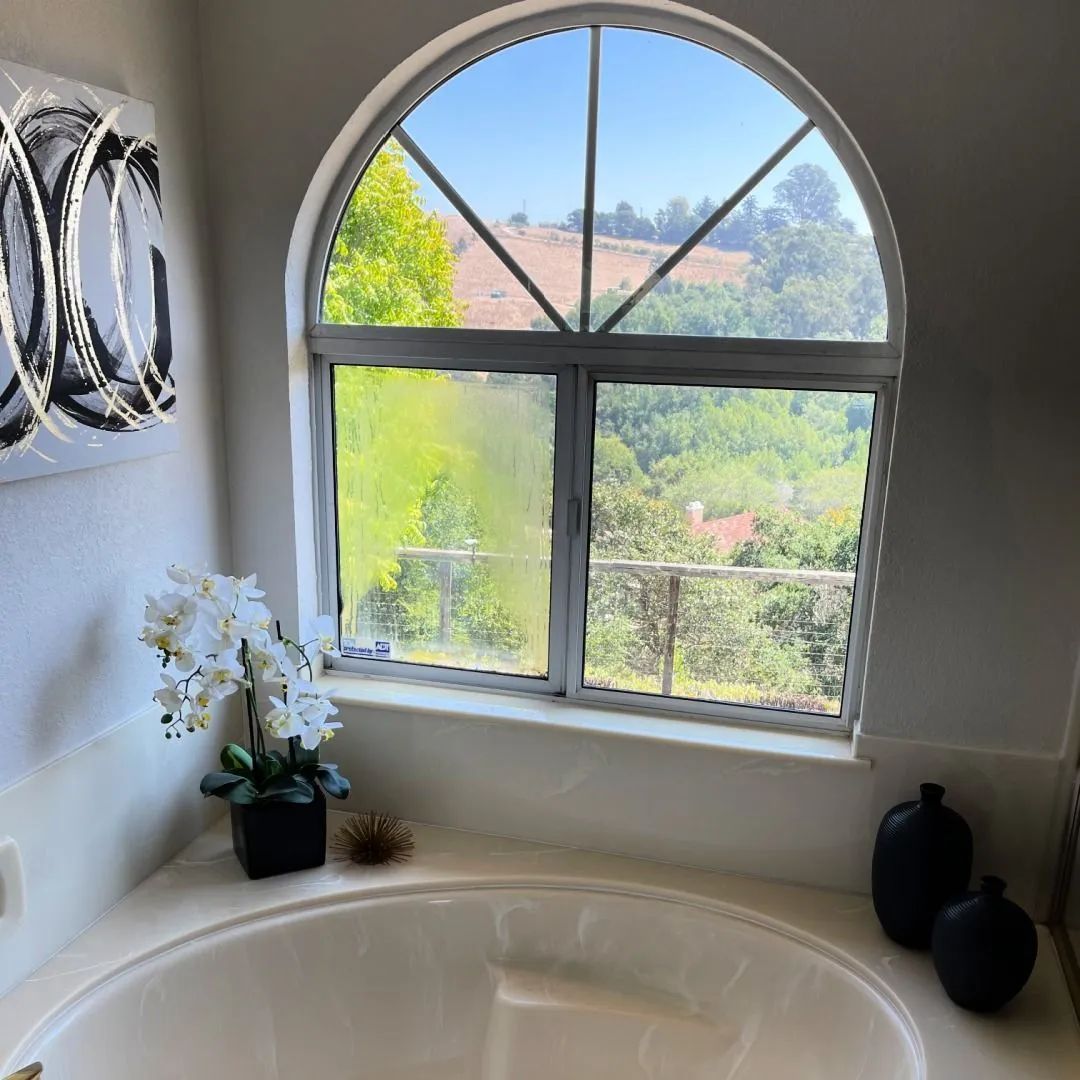
Homeowners frequently choose retrofit windows for energy efficiency improvements, noise reduction, and aesthetic updates. For example, a homeowner in a suburban setting may replace older, single-pane windows with double-glazed vinyl retrofits to lower heating costs and reduce outside noise, all without altering the home’s original exterior. The result is a visually consistent appearance with enhanced comfort and savings.
Commercial Properties
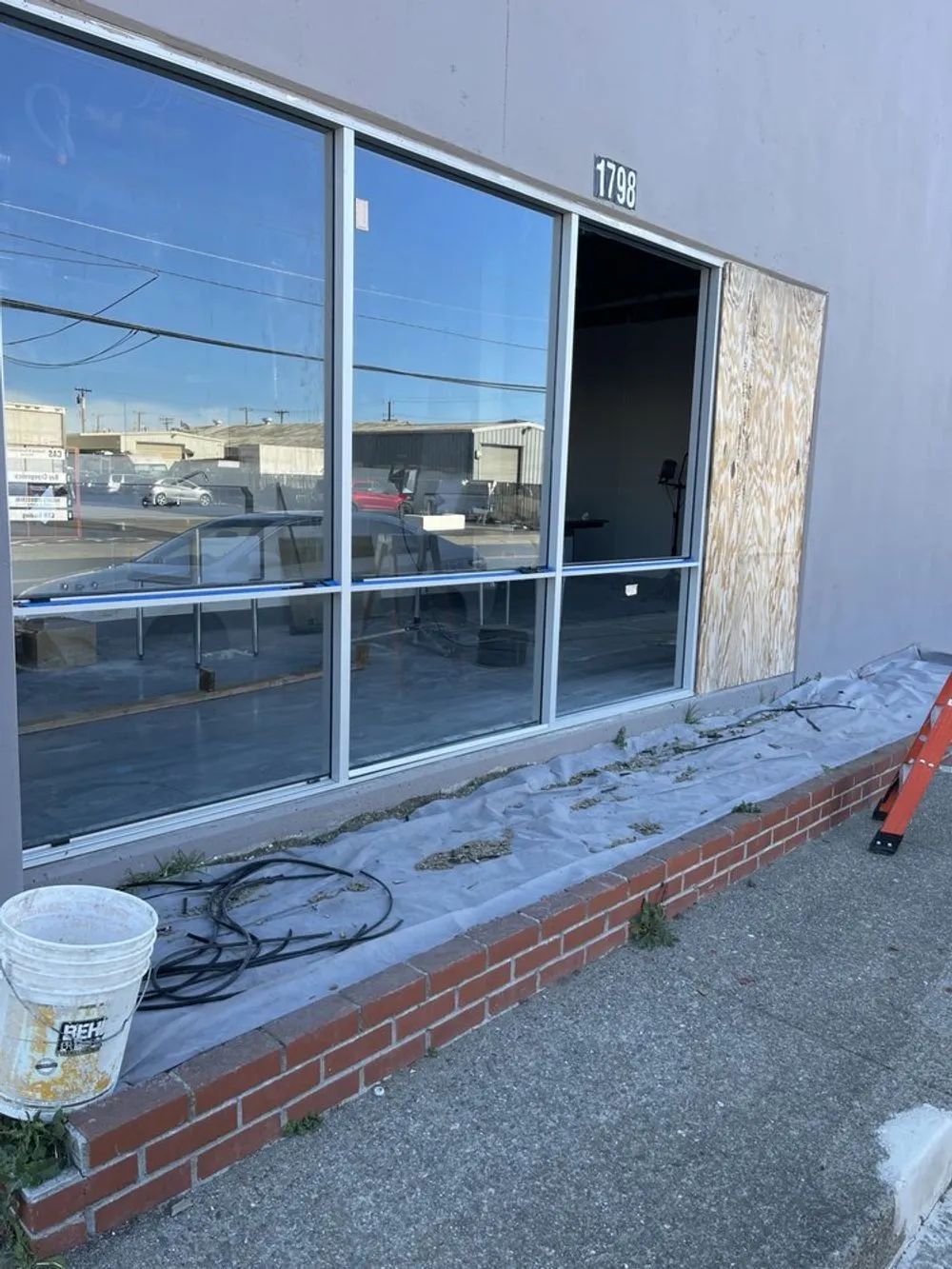
Retrofit windows are also valuable for commercial properties, particularly office buildings and retail spaces. Businesses can upgrade to energy-efficient windows without interrupting daily operations or removing the exterior facade. Retrofit solutions allow property managers to achieve LEED or energy-efficient building certifications while minimizing operational downtime.
Historic Preservation Projects
In historic districts, local regulations often restrict changes to exterior architecture. Retrofit windows offer a compliant solution by preserving original frames while integrating modern performance enhancements. This approach ensures that buildings maintain their historic character while meeting contemporary standards for energy efficiency and functionality.
5. Challenges and Considerations
- Frame Condition:- The success of a retrofit window largely depends on the condition of the existing frame. Frames with significant rot, water damage, or warping may not accommodate retrofit solutions effectively. In such cases, full replacement may be the only viable option. Homeowners should conduct a thorough inspection or hire a professional to evaluate frame integrity before committing to retrofit windows.
- Limited Design Flexibility:- Since retrofit windows must fit within existing frames, design options may be slightly more limited compared to full replacement windows. Custom shapes or extreme size changes may not be feasible. It’s important for property owners to understand these constraints and choose window designs that complement the current frame.
- Installation Expertise:- While retrofit windows are generally simpler to install than full replacements, improper installation can lead to issues such as air leaks, water infiltration, and reduced energy efficiency. Hiring skilled installers familiar with retrofit techniques ensures long-term performance and satisfaction.
- Cost vs. Long-Term Value:- Although retrofit windows are initially more cost-effective, homeowners should weigh the long-term value. In cases where frames are aging or prone to issues, investing in a full replacement may provide greater durability and energy savings over time. A careful cost-benefit analysis will help determine the most appropriate solution.
6. Maintenance and Longevity
Regular Maintenance Practices
Maintaining retrofit windows is relatively straightforward, thanks to modern materials and finishes. Routine cleaning, lubrication of moving parts, and inspection for seal integrity help prolong their lifespan. Vinyl and fiberglass windows, in particular, require minimal upkeep, while wood frames benefit from periodic staining or painting to prevent moisture damage.
Longevity Expectations
With proper installation and maintenance, retrofit windows can last 20–30 years or more. Energy-efficient coatings and durable materials contribute to sustained performance and reduced energy costs over the life of the window. By understanding maintenance needs and adhering to manufacturer guidelines, property owners can maximize their investment.
Transforming Properties with Cost-Effective Window Solutions
Retrofit windows represent a smart, practical alternative to full window replacement. They offer numerous advantages, including cost savings, energy efficiency, preservation of architectural aesthetics, and minimal installation disruption. By understanding materials, installation processes, real-world applications, and maintenance requirements, homeowners and property managers can make informed decisions that balance immediate budget considerations with long-term value.
Choosing retrofit windows allows for a seamless blend of modern performance and existing home or building design, ensuring both comfort and efficiency. While certain challenges—such as frame condition and design limitations—must be considered, professional assessment and proper installation can overcome these obstacles, delivering long-lasting results.
Classic Glass & Shower Inc, serving Alameda County and Contra Costa County, California, brings 47
years of experience to the retrofit window industry. Our team specializes in delivering high-quality window solutions tailored to each property’s unique requirements. From initial assessment to precise installation and ongoing maintenance guidance, we ensure every project is handled with professionalism, expertise, and care. With decades of experience, Classic Glass & Shower Inc
has earned the trust of homeowners and businesses alike, consistently providing energy-efficient, durable, and visually appealing retrofit windows that enhance comfort, performance, and property value.